Benefits of Hiring Local Experts for Roof Replacement in Succasunna, NJ
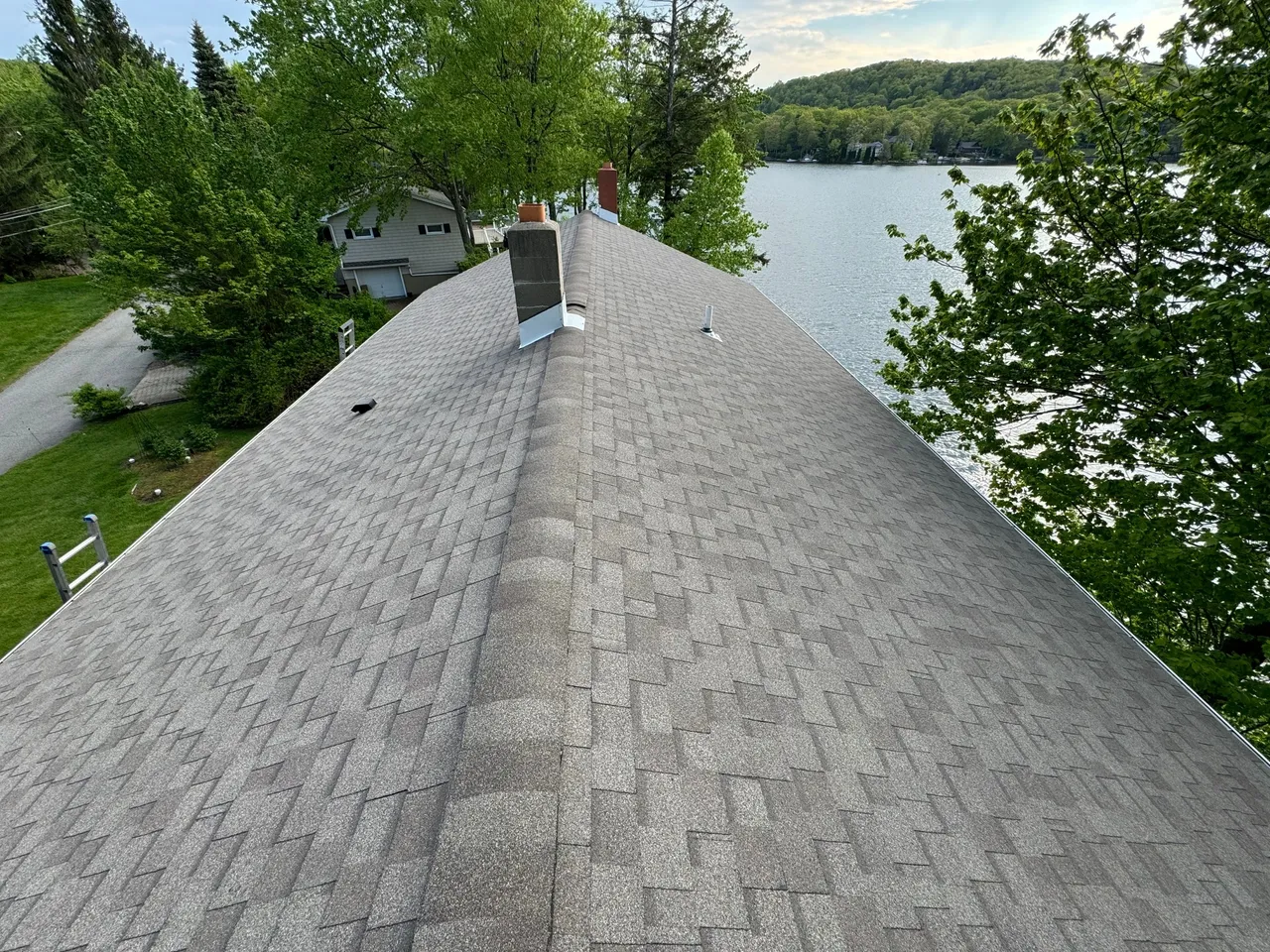
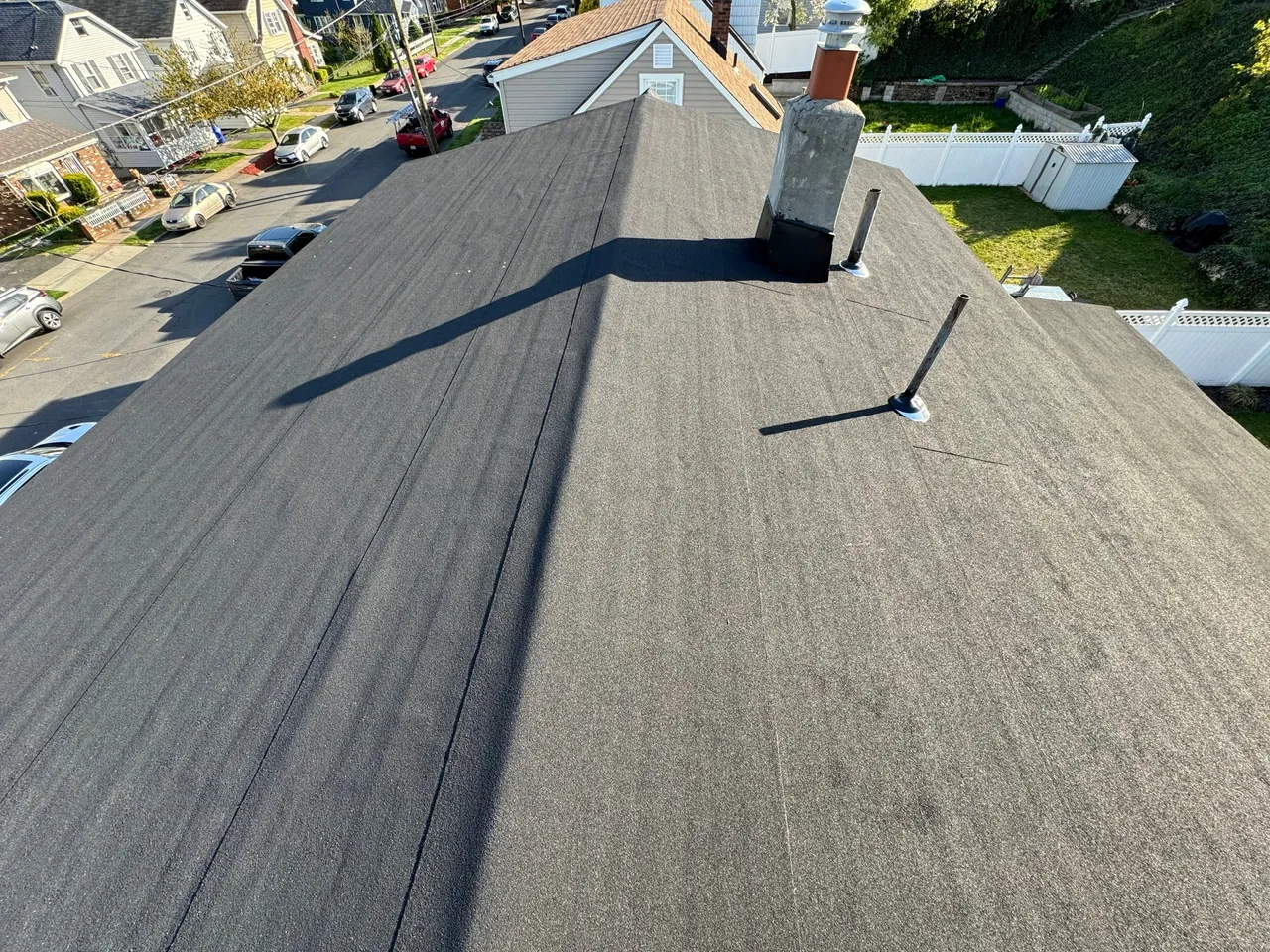
A roof replacement is one of those projects that looks straightforward from the street and turns complicated the moment work begins. Shingles come off, old decking is exposed, flashing details are examined up close, ventilation paths are tested, and suddenly the difference between a competent crew and the right crew becomes obvious. Homeowners in Succasunna usually feel that difference in three places first: cost control, job quality, and peace of mind.
That is why local expertise matters so much.
When a contractor works in and around Succasunna every week, they are not learning the area on your house. They already know the weather patterns that punish roofs in Morris County. They understand the neighborhoods, the age of the housing stock, the permit expectations, and the practical details that can slow down or smooth out a project. They also have a reputation to protect close to home, which tends to sharpen accountability in a way out-of-town operators cannot always match.
If you are considering Roof Replacement Succasunna, NJ, hiring local experts is not just a matter of convenience. It often shapes the outcome of the project from the first inspection to the final cleanup.
Local knowledge changes the quality of the diagnosis
One of the most underrated parts of roof replacement is the inspection that happens before any contract is signed. The roof itself matters, of course, but the surrounding conditions matter just as much. A contractor who knows Succasunna is more likely to look beyond the visible shingle wear and evaluate how local conditions have affected the assembly over time.
Homes in this part of New Jersey deal with a real mix of weather stress. Snow loads can be significant in winter. Ice dams are not unusual on poorly ventilated roofs. Spring and summer storms can drive rain under vulnerable flashing. Mature trees, common in many local neighborhoods, create shade, trap moisture, and drop debris that accelerates granule loss and moss growth. A local roofer has seen these patterns repeatedly. That experience shapes what they look for, how they estimate service life, and whether they recommend a simple replacement or a more comprehensive correction.
I have seen roofs that looked, from the driveway, like a straightforward tear-off and reshingle. Once inspected properly, the real issue turned out to be inadequate attic airflow combined with bathroom exhaust venting into the attic. In another case, recurring leaks near a chimney were blamed on shingles, but the real problem was aging masonry and poor counterflashing. A contractor from outside the area might still catch those issues, but a local specialist who sees these conditions all the time is more likely to identify them early, price them honestly, and avoid expensive surprises mid-project.
That matters because a bad diagnosis often leads to a bad replacement. New shingles installed over unresolved moisture or ventilation problems can age fast, cup prematurely, and fail long before they should.
Succasunna’s housing stock calls for judgment, not guesswork
Local roofers do not just know the climate. They know the homes.
Succasunna includes a mix of older houses, mid-century properties, and newer builds. That means roof replacement rarely follows one script. Some homes have multiple layers of old roofing that need careful removal and disposal. Some have additions tied into the original structure with awkward valleys and transitions. Others have chimneys, skylights, dormers, or low-slope sections that require more nuanced waterproofing than a basic gable roof.
A contractor with deep local experience usually has a mental catalog of these details before they even set foot on the roof. They may have worked on the same model home in your development, or on neighboring houses built by the same original builder. That familiarity speeds up the estimate, but more importantly, it helps them anticipate trouble spots that less familiar companies might overlook.
This is where local expertise earns its keep. Good roof replacement is not just about installing materials correctly. It is about recognizing where homes of a certain era tend to fail. On some older properties, that may mean checking whether the decking thickness meets current expectations. On others, it means paying attention to attic insulation patterns that contribute to condensation. Those are not glamorous details, but they are the difference between a roof that performs and a Roof Replacement Succasunna, NJ roof that disappoints.
Faster response times are not a minor benefit
Roof replacement rarely happens under ideal conditions. Even when a project is planned well, weather can shift. Material deliveries can arrive late. Hidden damage can be uncovered once the tear-off begins. When that happens, being nearby matters.
A local roofing company can often respond faster to urgent developments. If a section of decking needs replacement, they can usually source lumber quickly. If a storm interrupts work, they can get back to tarp and secure the roof without losing half a day to travel. If a homeowner has a concern after completion, a truly local contractor is more likely to return promptly to inspect it.
This is not theoretical. Delays in roofing have consequences. An exposed roof deck during a surprise rain event can create interior damage within hours. A poorly secured tarp can shift overnight in strong wind. A missing flashing piece that takes three extra days to obtain can hold up the whole job. A contractor based nearby has a practical advantage in managing these variables.
There is also a quieter benefit. Local crews often start work earlier and waste less time because they are not commuting long distances with equipment. That may sound small, but on a replacement job, efficiency adds up. The less time your home sits in transition, the better.
Permit familiarity reduces friction
Many homeowners do not think much about permits until a project is underway and questions start coming up. Yet permit handling can affect scheduling, inspections, and even future home sales if documentation becomes important later.
Local roofing contractors are usually more familiar with the relevant municipal processes, common documentation requirements, and local inspection expectations. That does not mean every town operates the same way or that every project unfolds identically, but it does mean a local contractor is less likely to be caught off guard by routine administrative requirements.
That kind of familiarity helps in ordinary ways. Paperwork gets submitted correctly. Project timelines are estimated more realistically. The homeowner receives clearer expectations about start dates, inspections, and closeout. If something needs clarification, the contractor often already knows whom to contact and what information will resolve the issue.
By contrast, contractors who travel in from farther away sometimes underestimate the time needed for approvals or fail to account for local procedural details. That can leave homeowners stuck between promises made on the sales side and realities discovered later.
A roof replacement is expensive enough without administrative confusion layered on top of it.
Local supplier relationships can protect both price and schedule
Roofing projects rely on more than labor. They depend on materials arriving on time and in the right quantities, with matching accessories, ridge products, underlayments, starter strips, and flashing Roof Replacement Succasunna, NJ components available when needed. Local contractors often have stronger relationships with area suppliers, and that can help homeowners more than they realize.
First, better supplier relationships can lead to more reliable delivery windows. When a crew is scheduled to tear off and install within a narrow weather gap, timing is not a luxury. It is critical. A delayed shingle delivery can throw off the entire week.
Second, local contractors tend to know which materials hold up best in the area and which product lines offer the best balance between price and performance. That can save homeowners from overpaying for upgrades they do not need or choosing bargain materials that may not age well under New Jersey conditions.
Third, if an issue arises, such as a shortage of matching ridge cap or a warranty question tied to a specific batch, local relationships often speed up the fix. That may not show up in the original quote, but it can have a real effect on the project experience.
In practice, this often means smoother jobs and fewer excuses.
Crews with local roots usually carry stronger accountability
There is a simple truth in home improvement: people work differently when their next customer might be your neighbor.
Local roofing companies live or die by reputation in a tighter circle. Their signs are seen around town. Their trucks are recognized. Their reviews are not abstract internet metrics alone, they are often reinforced by direct word of mouth between homeowners who know each other. That tends to create a stronger incentive to communicate clearly, keep jobs orderly, and stand behind the work.
A company that parachutes into an area after a storm can offer a low price and a polished pitch. What it often cannot offer is long-term accountability. If a flashing issue shows up a year later, or a workmanship question arises after a hard winter, the value of a nearby contractor becomes very real.
Homeowners sometimes focus heavily on the manufacturer warranty, and that is understandable. But workmanship support matters just as much, sometimes more. Most roofing problems I have seen after replacement were not caused by defective shingles. They were caused by installation details: poorly woven valleys, underdriven nails, weak flashing integration, sloppy pipe boots, or inadequate ventilation corrections. Those are local service issues, not factory issues.
When your contractor is part of the community, there is a better chance they will answer the phone and make things right.
They understand the weather beyond the forecast
Every roofer checks the forecast. Not every roofer reads the local weather the same way.
Experienced local contractors understand how weather behaves in north-central New Jersey at roof level, not just what a weather app says at ground level. They know which neighborhoods hold moisture longer in the morning, when afternoon thunderstorms tend to build in warmer months, how quickly temperatures can drop in shoulder seasons, and what that means for adhesives, underlayments, and crew pacing.
This matters during Roof Replacement Succasunna, NJ because roofing is sensitive to conditions. Shingles become less flexible in cold weather. Seal strips may need more time to bond. Unexpected wind can complicate installation on steeper slopes. Morning frost or dampness can slow safe tear-off. An out-of-area team may still manage these factors competently, but local crews often plan around them with more precision because they have done it repeatedly.
That planning can influence everything from start time to staging to whether a one-day replacement is realistic or whether a job should be split to avoid rushing critical details.
The best roofers are not simply fast. They are disciplined enough to know when conditions call for patience.
Local experts tend to give more practical estimates
Roofing estimates can vary widely, and homeowners naturally want to compare prices. Still, the lowest number on paper is not always the most honest number. A local contractor with real familiarity in Succasunna is often better positioned to give an estimate that reflects likely conditions instead of best-case assumptions.
That can mean pricing for probable decking repairs within a sensible range rather than pretending none will be needed. It can mean accounting for steep sections, chimney work, multiple layers, or difficult access before the crew arrives. It can also mean advising when a full replacement is justified and when a homeowner still has time to plan.
I have seen local roofers walk away from pushing a replacement because the roof had a few serviceable years left and only needed targeted repairs around penetrations and ventilation upgrades. That kind of judgment builds trust. It also tends to come from contractors who expect to stay in the market and value long-term relationships over short-term sales.
A realistic estimate is not always the cheapest, but it is often the least stressful.
Better coordination with other local trades
A roof replacement sometimes exposes issues beyond roofing itself. Gutters may need adjustment. Chimney masonry may need repair. Siding at step flashing locations may require temporary removal and reset. In some cases, attic ventilation corrections involve insulation or carpentry work.
Local roofers often have working relationships with nearby gutter specialists, masons, carpenters, and other trade professionals. That network can help a project move forward without the homeowner scrambling to coordinate separate vendors midstream.
This is one of those benefits that people rarely think about beforehand but deeply appreciate once a problem appears. If a chimney crown is cracked and leaking, or fascia boards are rotten behind old gutters, it helps to have a contractor who can either address the issue directly or bring in someone reliable quickly.
Coordination saves money in indirect ways too. It cuts down on downtime, prevents finger-pointing between trades, and reduces the chance that one repair is done in a way that compromises another.
Cleanup and neighborhood awareness matter more than people expect
Roof replacement is messy work. There is no way around that. Old shingles, nails, packaging, wood debris, and dust all need to be managed carefully. On a quiet residential street in Succasunna, cleanup quality is part of the job, not a finishing touch.
Local contractors are generally more attuned to neighborhood expectations. They understand the importance of protecting driveways, landscaping, patios, and walkways. They know that magnetic nail sweeps should not be rushed. They know that a dumpster placed carelessly or materials staged without thought can create tension with neighbors fast.
This is especially important on tighter lots, homes with children or pets, and properties with mature landscaping. The roof may be overhead, but the consequences of a sloppy site are felt at ground level. A local company that expects future referrals from the same street is usually more careful about how the property looks at the end of each day.
Homeowners remember cleanup long after they forget the brand name on the shingle wrapper.
The value of seeing their work nearby
One of the clearest advantages of hiring local experts is that you can often see examples of their work in person, not just in a photo gallery. If a contractor has completed several roof replacements in Succasunna or nearby communities, there is a good chance they can point to homes with similar rooflines, similar ventilation challenges, or similar material selections.
That is useful for more than aesthetics. It gives homeowners a chance to ask practical questions. How did the crew protect the property? Was the timeline accurate? Were there surprise charges? Did the contractor return for punch-list items? Has the roof held up well through winter?
Those are better questions than simply asking whether someone was “happy” with the job.
Nearby references also help verify whether the contractor truly works in the area or is simply marketing into it. That distinction matters. A company with a real local footprint tends to be easier to vet and easier to hold accountable.
They are more likely to balance regional best practices with your actual budget
Not every homeowner wants the same roof. Some want the longest lifespan available. Some are planning to sell within a few years and want a clean, reliable replacement that presents well without overinvesting. Some have a strict insurance settlement or a limited renovation budget. Local experts usually have a better feel for what makes sense in the local market.
They know when upgraded architectural shingles are worth the premium and when standard options are sufficient. They can speak intelligently about ridge ventilation, ice and water protection, flashing replacement, and attic airflow in the context of homes around yours, not just in generic terms. They also understand resale expectations in the area. That can help you avoid both underbuilding and overspending.
This is where experience shows up as judgment, not just technical ability. The right recommendation is rarely the most expensive system by default. It is the system that fits the house, the exposure, the existing conditions, and the homeowner’s priorities.
Choosing local does not mean skipping due diligence
Hiring local is not a shortcut around vetting. It is an advantage, not a guarantee. Homeowners should still ask careful questions about licensing, insurance, scope of work, ventilation plans, cleanup procedures, warranties, and who will actually supervise the crew.
A strong local contractor should be able to explain why they recommend a certain approach, what they expect to find during tear-off, and how they handle hidden damage if it appears. They should be specific about flashing replacement, not vague. They should talk about ventilation as part of system performance, not as an afterthought. They should also be clear about payment schedules and change-order procedures.
A short conversation often reveals a lot. Contractors who know the area deeply usually speak in concrete terms. They reference actual conditions, common roof designs, and realistic scheduling windows. Their confidence tends to sound measured rather than theatrical.
That is usually a good sign.
Why local expertise pays off over the life of the roof
A roof replacement is not just a purchase for this season. It is a performance decision that plays out over decades. The upfront cost matters, but so do the years that follow: winters with heavy snow, windy rain events, freeze-thaw cycles, attic humidity swings, and the ordinary aging that reveals whether details were handled correctly the first time.
Local experts bring an advantage that is easy to underestimate because it does not fit neatly into a brochure. They know how roofs fail here. They know what materials and methods tend to hold up here. They know the streets, the homes, the weather rhythm, and the service expectations of homeowners here.
For Roof Replacement Succasunna, NJ, that combination has real value. It can mean a better diagnosis before work starts, a smoother project while work is underway, and a more dependable result once the crew is gone. It can mean fewer surprises, faster solutions, and a roof system built with local conditions in mind rather than generic assumptions.
That is what homeowners are really buying when they choose the right local contractor. Not just shingles and labor, but practical judgment rooted in place.
Royalty Exteriors
151 NJ-10 Suite 103A, Succasunna, NJ 07876, United States
+1 973-333-7234
FAQ About Roof Replacement Succasunna, NJ
What are signs a roof needs replacing?
Widespread shingle deterioration, repeated leaks, or damaged decking can point to a larger problem. A roofer can inspect the roof covering, flashing, and deck to determine whether the damage is localized or whether replacement makes more sense.
How long does it take to reroof a 2000 square foot house?
Royalty Exteriors estimates one to three days for many single-family roof replacements. A house’s floor area does not tell you the actual roof area. Pitch, roof features, weather, and any decking repairs can change the schedule.
How long should a roof last in NJ?
There is no single lifespan for every roof. Material, installation quality, attic ventilation, maintenance, and exposure to storms all affect how long a roof remains serviceable. An inspection can help you assess its condition and plan for replacement.