Top Benefits of Timely Roof Repairs for Homeowners
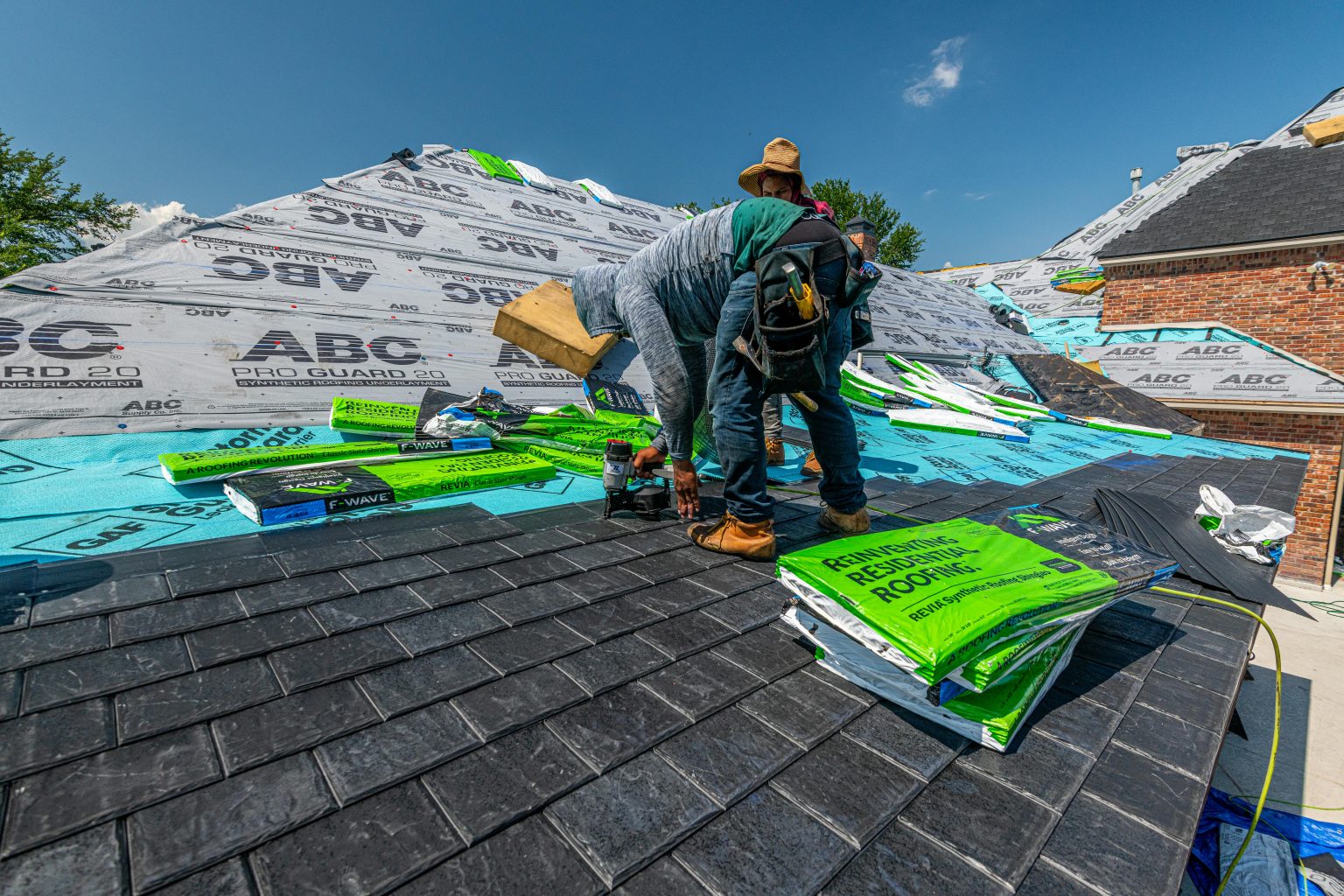
A roof rarely fails all at once. More often, it sends quiet warnings long before water reaches the living room ceiling. A lifted shingle after a windstorm, a small patch of granules in the gutter, a damp spot in the attic after heavy rain, a faint stain that seems cosmetic until it grows. Homeowners who respond early usually spend less, preserve more of the house, and avoid the kind of disruption that turns an ordinary repair into a stressful project.
Timely Roof Repairs are easy to postpone because the damage is often out of sight. Unlike a broken appliance or a cracked window, roof issues can stay hidden behind insulation, drywall, and roof decking. By the time the symptoms become obvious indoors, the repair scope has usually widened. What could have been a targeted fix can become a chain reaction involving insulation, sheathing, paint, flooring, or even electrical work.
The value of prompt action is not only financial, though cost matters. It is also about protecting the structure, preserving indoor comfort, maintaining insurance eligibility, and keeping a home marketable. Homeowners who understand the practical benefits of acting early tend to make better decisions when the first signs of trouble appear.
Small problems stay small when handled quickly
The most immediate benefit of timely roof work is simple: minor damage is easier to repair than widespread failure. A single missing shingle can let in enough water to soak underlayment and begin softening wood beneath it. If that happens repeatedly, the damaged area spreads beyond the visible opening.
This is especially common around roof penetrations and transitions. Flashing at chimneys, plumbing vents, skylights, and valleys often fails before the field shingles do. A bead of sealant dries out. Metal flashing separates slightly after seasonal expansion and contraction. Wind drives rain into a weak point that looked harmless from the ground. If a roofer addresses that early, the repair may be limited to replacing flashing components and a few surrounding shingles. Wait a season or two, and the decking below may need replacement as well.
I have seen homeowners call for what they believed was a “tiny leak” because a stain appeared only during heavy storms. Once the roof was opened, the decking around the vent pipe felt like damp cardboard. The insulation below had compressed and lost performance. The ceiling stain was the least expensive part of the problem. That pattern is common. Water travels, wood weakens, and costs rise quietly.
Timely Roof Repairs protect the structure of the house
A roof is not just a weather cover. It is part of the building envelope and, in many homes, part of the structural system that keeps the house sound. When moisture gets past the outer roofing materials, the framing and sheathing become vulnerable.
Wood does not need to be visibly rotted to be compromised. Repeated wetting and slow drying can reduce strength over time. Roof decking may begin to delaminate. Rafters and trusses may develop localized damage if leaks persist in one area. Fasteners can corrode. In humid conditions, trapped moisture can linger longer than many homeowners realize, especially in shaded roof sections or poorly ventilated attics.
The trouble is that structural damage expands the repair beyond roofing. A routine service call can become carpentry work, then drywall replacement, then repainting. If a leak runs near a recessed light, vent fan, or junction box, the job may also require an electrician to inspect the area. The fastest way to avoid that escalation is to repair the breach while it is still confined to the outer roof assembly.
This matters even more after storms. Wind damage is not always dramatic. A shingle can crease without blowing off. Tabs can loosen and reseal poorly. Ridge caps can shift slightly. On the surface, the roof may look intact, but the seal line or fastening pattern has been compromised. Catching that soon after a storm can prevent weeks of hidden water intrusion.
Early repairs preserve energy efficiency
Many homeowners do not connect roof condition with utility bills, but the relationship is real. Once water enters the roof system, insulation can absorb moisture and lose much of its effectiveness. Wet insulation does not perform the way dry insulation does. Even partial saturation can reduce thermal resistance, which means your heating and cooling system has to work harder to maintain indoor comfort.
Air leaks can increase as well. Roof damage near vents, eaves, or penetrations can create pathways for outside air to move into the attic or conditioned spaces below. In summer, that can add heat load. In winter, it can contribute to drafts, uneven room temperatures, and condensation problems.
These losses tend to be gradual, so they often escape notice. A homeowner may think the HVAC system is aging poorly or assume seasonal rates are to blame for higher bills. Sometimes that is true, but a compromised roof can be a contributing factor. Prompt Roof Repairs help preserve the thermal performance of the house and reduce the chance of hidden moisture undermining insulation.
Energy efficiency also affects comfort in a more personal way. A well-maintained roof supports stable indoor temperatures, fewer hot and cold spots, and less humidity swing after storms. Those are quality-of-life benefits that do not always show up on a contractor estimate, but homeowners notice them every day.
Water damage spreads farther than expected
One of the more frustrating aspects of roof leaks is how deceptive they can be. Water seldom drips straight down from the entry point. It can travel along framing members, run across the underside of decking, or follow ducts and wiring before becoming visible on a ceiling or wall. That makes do-it-yourself diagnosis difficult and delays are costly.
A stain on the second-floor ceiling might originate several feet uphill on the roof. By the time the mark appears indoors, moisture may have already affected paint, drywall tape, insulation, and trim. If the leak reaches wall cavities, there is also the possibility of damage to flooring or baseboards on lower levels.
Mold is part of this conversation, but it should be discussed carefully. Not every leak creates a serious mold issue, and not every discolored area requires dramatic remediation. Still, persistent moisture in dark, poorly ventilated spaces can create conditions where microbial growth becomes a concern. The practical takeaway is straightforward: the sooner the roof is repaired and the area dried, the lower the chance that moisture-related secondary problems will develop.
In homes with finished attics or cathedral ceilings, this becomes even more important. These assemblies often have less forgiving access and tighter cavities. Water can remain hidden longer, and repairs may involve opening interior finishes to assess the extent of saturation. Fast intervention can spare a homeowner from a much larger restoration effort.
Fast action usually costs less than delayed replacement
Homeowners often hesitate to schedule repairs because they fear the estimate. Ironically, waiting is one of the most reliable ways to increase the final bill. A properly timed repair can extend the service life of a roof that still has useful years left. That can buy time to plan and budget for eventual replacement on your own terms, rather than under pressure after an emergency leak.
A roof replacement is one of the larger maintenance expenses most homeowners face. It makes little sense to shorten a roof’s lifespan by ignoring repairable issues. A section of damaged flashing, a few broken shingles, or a localized area of compromised ridge cap material does not automatically mean the whole roof has failed. In many cases, strategic repair work preserves the broader system effectively.
That said, there is judgment involved. If a roof is already near the end of its expected life, repeated patching may not be the best investment. An experienced contractor should be able to explain where repair still makes financial sense and where replacement is the more honest recommendation. Timely Roof Repairs are most beneficial when they are part of that balanced decision-making process, not a way to avoid reality indefinitely.
A practical example helps. If a twelve-year-old architectural shingle roof develops isolated damage after a branch strike, repairing the affected area is usually sensible. If a twenty-eight-year-old roof with widespread granule loss, brittle shingles, and recurring leaks needs another patch, the money may be better directed toward replacement. The benefit of acting early is that you keep more options open.
Insurance claims and documentation are easier when you respond promptly
Insurance policies vary, and every claim depends on the specific damage, timing, and policy language. Still, prompt attention is generally helpful. If a storm causes damage, documenting it quickly and arranging an inspection soon after can strengthen the paper trail. It shows that the homeowner took reasonable steps to prevent further deterioration.
Most insurers expect policyholders to mitigate additional damage after a covered event. That might mean arranging a temporary tarp, having exposed areas sealed, or making necessary emergency Roof Repairs while the claim is being evaluated. If a homeowner waits too long and the problem worsens, disputes can arise over what portion was caused by the original event and what portion resulted from neglect.
Even outside the claims process, good records matter. Photos, invoices, inspection notes, and dates of repair can be useful later if the home is sold or if a warranty question comes up. Buyers and inspectors respond well to documented maintenance. It signals that the roof has not been ignored.
This does not mean every roof issue belongs in an insurance claim. Many do not. Routine wear, aging materials, and minor maintenance items are often the homeowner’s responsibility. But when there is storm-related damage, timely action keeps the facts clearer and the options more manageable.
Repairs help preserve curb appeal and resale value
A roof has a strong visual impact. Curled shingles, mismatched patches, sagging lines, stained soffits, or algae streaking can make an otherwise well-kept house look neglected. Buyers notice roof condition quickly because they understand, even if only broadly, that roof problems can be expensive.
A home inspector certainly notices. If repairs have been put off, the inspection report may raise concerns that affect negotiations, pricing, or buyer confidence. A seller may end up making repairs under deadline pressure, with less control over scheduling and contractor selection than if the issue had been addressed earlier.
Timely repairs support value in two ways. First, they maintain the roof’s appearance and functional integrity. Second, they create a Roof Repairs record of responsible ownership. A roof that has been periodically inspected and repaired as needed is easier to stand behind during a sale.
There is also a neighborhood effect. In many communities, exterior maintenance affects how the entire property is perceived. A clean, sound roof suggests that the rest of the home has likely been cared for as well. That impression matters, particularly in competitive markets.
Safety improves when the roof is kept in sound condition
The benefits are not limited to the building materials. A damaged roof can create safety risks for the people living in the home. Active leaks around light fixtures or wiring deserve immediate attention. So do areas where wet drywall is sagging or where ceiling finishes show signs of saturation.
Exterior hazards exist too. Loose shingles, displaced flashing, or storm-damaged gutters can detach during high winds. Ice dam issues in colder climates may also be worsened by roof defects and poor attic conditions, increasing the risk of water backup and falling ice near entries and walkways.
For homeowners who like to handle maintenance themselves, roof safety deserves blunt honesty. Climbing onto a roof to inspect storm damage can be dangerous, especially on steep pitches, wet surfaces, or older materials that may be brittle. One practical benefit of timely professional repair is avoiding the temptation to let a small problem linger until it becomes urgent enough that someone takes a risky shortcut.
Here are a few signs that warrant prompt attention:
- water stains on ceilings or upper walls after rain
- shingles that are missing, cracked, curled, or visibly lifted
- granules collecting heavily in gutters or at downspout outlets
- damp insulation or musty odor in the attic
- loose flashing around chimneys, skylights, or vent pipes
These symptoms do not always mean a major failure is underway, but they do justify a closer look.
Seasonal timing matters more than many homeowners think
Roof issues rarely improve with time, but certain seasons make delays more costly. In spring and summer, thunderstorms can turn a marginal weak spot into a leak path quickly. In autumn, small defects become more urgent because winter freeze-thaw cycles are unforgiving. Water that enters a crack, freezes, expands, and repeats that pattern can widen damage noticeably.
Cold-weather repairs are possible, but they are not always ideal. Sealants may cure differently in low temperatures. Some roofing materials become more brittle. Scheduling can also tighten after widespread storms. Homeowners who address repairs in a planned window, rather than during peak emergency demand, often get better service and more predictable pricing.
Heat can create its own challenges. On very hot days, roof surfaces become harsh work environments, and some materials soften under foot traffic. That does not mean summer repairs should be avoided, only that timing and crew practices matter. Experienced roofers account for these variables.
The broad lesson is that delay narrows your choices. Timely Roof Repairs let you handle the work before weather, contractor availability, or secondary damage begins dictating terms.
Not every issue calls for panic, but all of them deserve judgment
A balanced view helps here. Homeowners do not need to treat every loose shingle like a crisis, and fear-driven spending is rarely wise. The better approach is informed urgency. Know what deserves same-week attention, what can be monitored briefly, and what signals a larger conversation about replacement.
A reputable roofer should be able to explain the difference between cosmetic wear and functional failure. For example, a few isolated granules in a gutter after a storm may not be alarming on a newer roof. Heavy, persistent granule loss on an aging roof is a different story. A minor sealant touch-up around flashing is routine. Repeated leaks in the same area despite prior patching suggest a deeper problem.
Homeowners benefit from asking direct questions. Is the issue localized or systemic? Has the decking been checked? Is ventilation contributing to the problem? How much useful life remains in the surrounding roof area? What should be watched over the next year? Good contractors do not dodge these questions, and the answers help owners spend sensibly.
If you are deciding whether to repair now or wait, use this practical lens:
- consider whether water is actively entering the home or attic
- look at the roof’s age and overall condition, not just the visible symptom
- weigh whether the repair preserves years of service life or only postpones replacement briefly
- ask for photos and a clear explanation of underlying causes
- document everything, especially after storms
That level of attention often separates a manageable home maintenance task from a major household disruption.
The real payoff is control
One of the least discussed benefits of timely roof work is control. Emergency leaks strip homeowners of options. Decisions get made quickly, often during bad weather, when contractors are busy and stress is high. Materials may need to be sourced fast. Interior damage may already be spreading. Insurance questions may be unfolding at the same time.
By contrast, acting when the first credible signs appear puts the homeowner back in charge. You can compare estimates, ask better questions, schedule work before conditions worsen, and protect the home without the pressure of an immediate crisis. That is not just a convenience. Roof Repairs It usually leads to better workmanship, better budgeting, and fewer surprises.
A roof is easy to ignore when it is doing its job. That is part of what makes deferred maintenance so common. But homeowners who treat early warning signs seriously tend to be rewarded for it. They spend less over the long run, avoid collateral damage, preserve comfort and value, and reduce the chance that a repairable issue turns into a full replacement before its time. For most houses, that is the clearest case for timely Roof Repairs: they protect both the home itself and the decisions homeowners get to make about it.
Royalty Exteriors
151 NJ-10 Suite 103A
Succasunna, NJ 07876, United States
+1 973-333-7234
FAQ About Roof Repairs
Can you fix a roof leak without replacing the whole roof in Succasunna,NJ?
Often, a localized leak can be repaired without replacing the entire roof, depending on its cause and the condition of the surrounding materials. Damaged shingles, flashing, or a roof penetration may need targeted work. Royalty Exteriors offers roof repairs for leaks, storm damage, and shingle issues. An inspection is needed to determine the appropriate scope.
What is considered a minor roof leak?
A leak may be considered minor when the damage is limited to a small area and the surrounding roofing remains sound. A small ceiling stain alone does not establish the extent of the problem because water can travel before becoming visible. Have the source and any concealed damage assessed promptly.
Is it better to repair or replace a leaky roof?
The decision depends on the roof's age, overall condition, leak source, extent of damage, and history of previous repairs. A localized problem on an otherwise serviceable roof may be suitable for repair. Widespread deterioration or recurring leaks may justify considering replacement. Ask for an inspection and a written explanation of the recommended work before deciding.